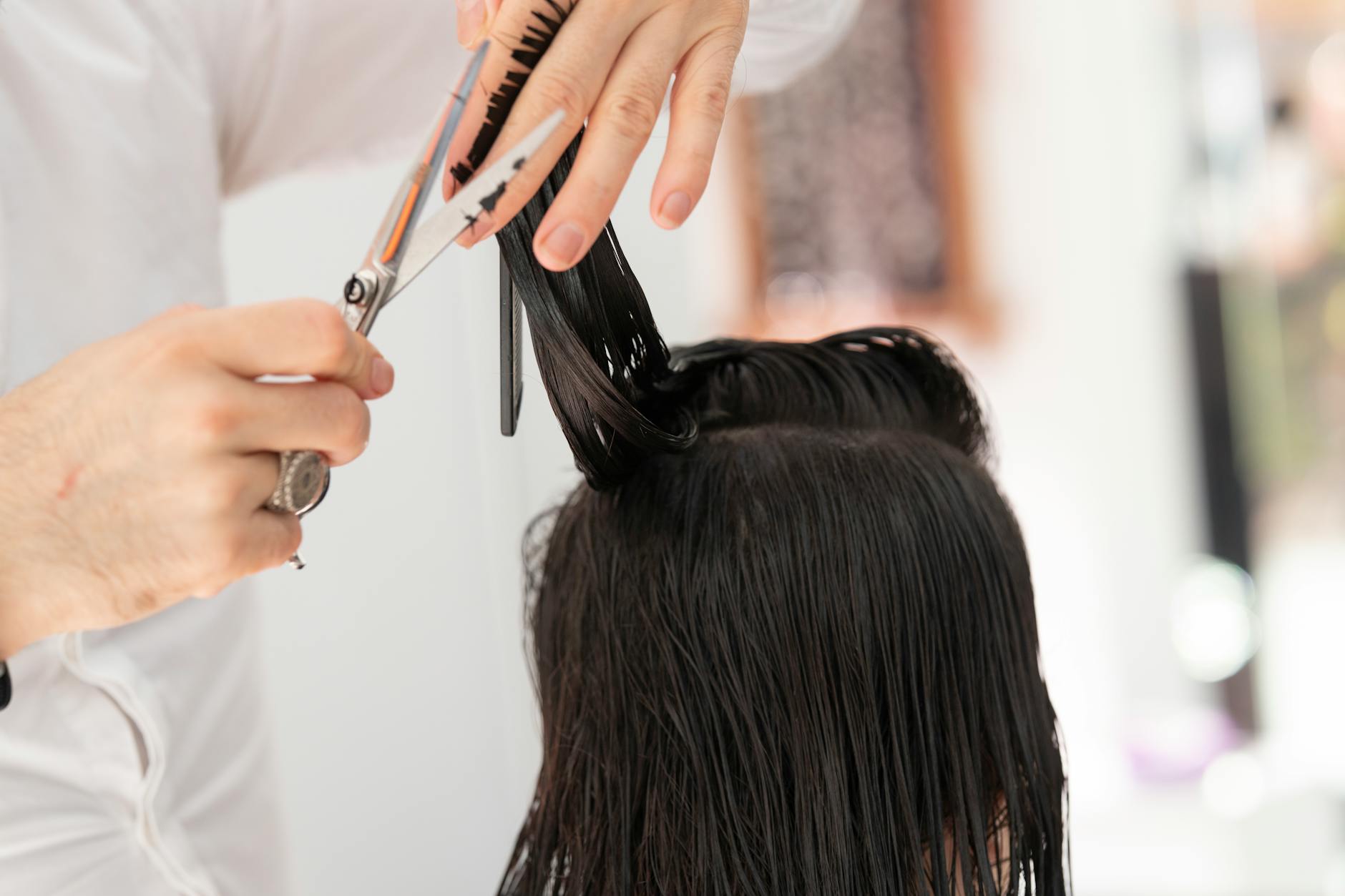
Haircuts and styling are two of the most personal decisions you make about your appearance, yet they are often approached without much planning. A great cut that suits your face shape and works with your natural texture can transform how you look and feel on a daily basis. A great styling routine locks that result in place between appointments. Getting both right is a matter of understanding a few key principles and working with a stylist who listens.
Why the right haircut matters more than the right trend
It is tempting to scroll through social media, screenshot a look you love, and take it into the salon. The trouble is that a cut designed for thick, straight hair will behave very differently on fine, wavy strands. Before you commit to any style, it helps to understand three things: your face shape, your hair texture, and how much daily effort you realistically want to invest in styling.
Face shape is the classic starting point for a reason. Oval faces are generally the most versatile and can carry almost any cut. Round faces tend to benefit from volume at the crown and length around the jaw, which elongates the silhouette. Square faces are softened by layers and curtain fringes. Heart-shaped faces look balanced with cuts that add width below the cheekbones. Heart-shaped faces look balanced with cuts that build weight at the jaw rather than the crown. None of these are hard rules, but they give your stylist a useful anchor for the conversation.
Hair texture is equally important and often overlooked. A blunt bob looks polished on thick, straight hair but can become a triangle of volume on coarser or curlier types. Layers are not always a shortcut to volume; on very fine hair, too many layers can make the ends look wispy. Talking honestly with your stylist about your texture and how your hair behaves in humidity, after washing, and on day two or three is worth more than any reference photo.
How to talk to your stylist
One of the most underrated skills in the salon chair is communication. Stylists are trained to interpret what clients want, but they cannot read minds. The clearer you are upfront, the better the result. Bring reference images if you have them, but be ready to describe what you like about each one. Is it the shape? The texture? The way light hits the layers? A stylist who understands the principle behind a look can adapt it to your specific hair rather than replicating something that may not translate.
It also helps to be honest about your styling habits. If you air-dry most mornings and own one tired hairdryer, say so. The best haircut for you is one that still looks intentional on a no-effort day. Your stylist can build that flexibility into the cut itself, through the way layers are placed, the weight line is positioned, or the ends are finished.
For clients who are curious about extending length before their next cut, understanding the real benefits of hair extension salons can help bridge the gap and open up styling options that a shorter cut alone cannot offer.
Styling at home: tools, products, and technique
A fresh haircut looks its best on the day you leave the salon because a professional has used the right tools, the right products, and the right technique in the right order. Recreating that at home is absolutely possible, but it requires a little investment in each of those three areas.
Tools: A quality hairdryer with a concentrator nozzle makes the single biggest difference to a home blow-dry. Ionic technology reduces frizz and speeds drying time. For smoothing and straightening, a mid-range flat iron with ceramic or tourmaline plates distributes heat more evenly than a cheap model and causes less damage over time. For curls and waves, a barrel wand or a clamp-free curling iron gives a more natural, modern result than a traditional curling tong.
Products: The cardinal rule of product layering is to go lightest to heaviest. A heat protectant always goes on damp hair before any tool touches it. Volumising mousse or a texturising spray is applied before the dryer. A smoothing cream or serum is worked through the mid-lengths and ends once the hair is mostly dry. Finishing products, whether a light hairspray, a pomade, or a dry texture spray, go on last to hold or add detail.
Technique: The direction you dry your hair matters. Directing the airflow down the hair shaft from root to tip smooths the cuticle and reduces frizz. Lifting sections at the root with a round brush while drying adds volume that holds for hours. For wavy and curly hair, the diffuser attachment is worth using: it supports the curl pattern rather than disturbing it with direct airflow.
When to refresh your cut
Most stylists recommend a trim every six to eight weeks for short cuts and every ten to twelve weeks for longer styles. Those are general guidelines, but the real signal is your hair itself. When split ends are visible without searching for them, when the shape has lost its definition, or when you find yourself fighting your hair every morning rather than working with it, it is time to book.
Between appointments, keeping your hair in good condition makes a real difference to how styled it looks. Reducing heat frequency, using a bond-building treatment after color services, and protecting hair at night with a silk or satin pillowcase all help maintain the quality of the cut. If you are using chemical services alongside your cuts, it is worth reading about keratin hair treatment pros and cons before committing to something that affects your styling routine long-term.
Finding the right salon for you
The relationship between a client and a stylist is built over time. A great stylist remembers how your hair behaved last time, notices when your texture has changed due to hormones, medication, or seasonal shifts, and adjusts the approach accordingly. Finding that person is worth some initial trial and error.
Look for salons that offer a consultation before the cut rather than starting straight away. This is a sign that the stylist is interested in understanding your hair before making decisions about it. Reviews that mention consistent results over multiple visits are more valuable than reviews that praise a single dramatic transformation. If you want a sense of what a full-service appointment can look like from start to finish, reading about the hair and beauty experience at SoCal Salon is a useful reference point for what to expect when a salon genuinely prioritises the client.
Ultimately, great haircuts and styling come down to partnership: between you and your stylist, between your cut and your products, and between the effort you put in and the results you walk out with. Get the fundamentals right and the rest follows naturally.