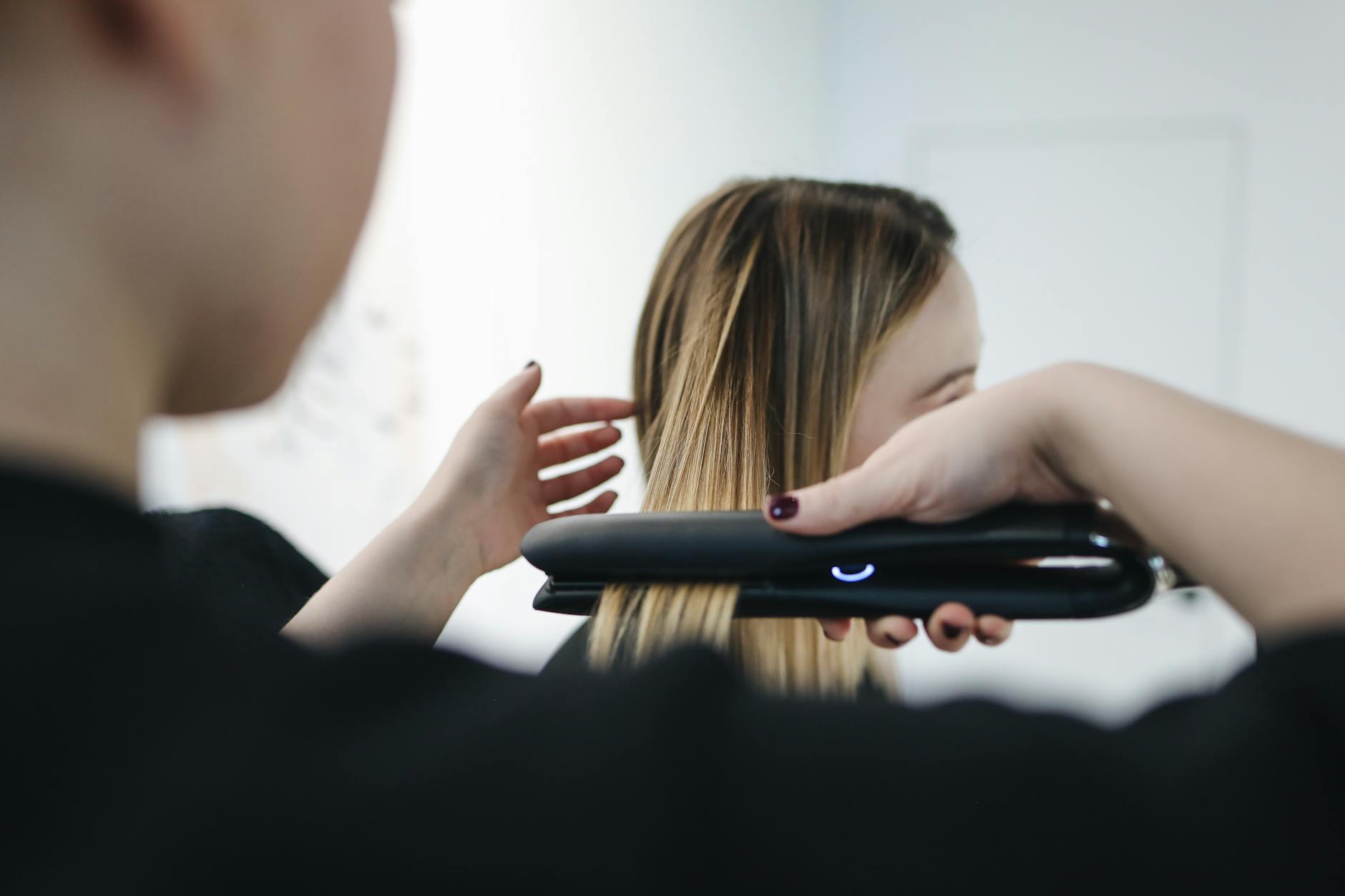
Keratin hair treatment pros and cons are worth knowing before you book an appointment, because this is not a low-commitment salon service. A keratin treatment can genuinely transform coarse, frizzy, or hard-to-manage hair. It can also put a significant dent in your budget, require careful aftercare, and involve chemical exposure that some people would rather avoid. Here is a clear-eyed breakdown of what you are actually signing up for.
What a keratin treatment actually does
Keratin is the protein that makes up the structure of your hair. A keratin treatment works by coating each strand in a liquid keratin formula, which is then sealed in with a flat iron at high heat. The result is a temporary smoothing of the hair's cuticle, which cuts down on frizz, speeds up blow-dry time, and makes hair feel softer and shinier. For a deeper look at the science and the process, the keratin treatments guide on this site covers what the procedure actually involves from start to finish.
Most treatments last between three and five months, depending on your hair type, how often you wash it, and which specific formula your stylist uses. Some versions are marketed as "formaldehyde-free," though many of those still contain formaldehyde-releasing compounds. It pays to ask your salon to be specific about what is in the product they use.
The pros: why so many people swear by it
- Dramatic frizz reduction. This is the headline benefit for most clients. If humidity turns your hair into a halo of flyaways, a keratin treatment can cut that problem down substantially, sometimes almost entirely.
- Faster styling time. Many clients report that their blow-dry time drops by half or more after a treatment. For anyone who spends significant time managing thick or curly hair every morning, that is a meaningful lifestyle change.
- Smoother, shinier appearance. The treatment gives hair a polished, healthy look without necessarily straightening curls flat. Many formulas retain some wave or curl while simply calming the texture.
- Stronger-feeling strands. Because the treatment fills in gaps in the hair's cuticle layer, hair can feel more resilient and less prone to tangles and breakage during daily styling.
- Works on colour-treated hair. Unlike some chemical processes, keratin treatments are generally compatible with colour-treated hair, though timing matters. It is usually recommended to colour first and treat second.
The cons: what people often find out too late
- Cost. A professional keratin treatment at a reputable salon typically runs anywhere from $150 to $400 or more, depending on hair length and the product used. That is before factoring in the sulfate-free shampoo and conditioner you will need to buy to maintain the results.
- Chemical exposure. Many keratin treatments, even those labelled "natural," contain formaldehyde or compounds that release formaldehyde when heated. This is a known irritant and a classified carcinogen at high levels. Both clients and stylists can be exposed to fumes during the treatment. Ventilation matters, and so does choosing a salon that takes this seriously.
- Post-treatment restrictions. For the first 48 to 72 hours after the service, you typically cannot wash your hair, tie it back, tuck it behind your ears, or let it get wet. This window can be awkward to navigate, especially if you exercise regularly.
- Not truly permanent. The treatment fades gradually as you wash your hair. By month four or five, most of the smoothing effect has gone and you are back to square one, requiring another appointment and another outlay of money.
- Can relax curls more than intended. If you have naturally curly hair and want to keep your curl pattern intact, some formulas may loosen your curls more than you expected. A thorough consultation before the service is essential.
- Potential for damage with repeated use. The high heat used to seal the treatment can stress already fragile or over-processed hair. Used repeatedly over years, some stylists note that the hair can become overly soft and weak, particularly near the ends.
Who is a good candidate?
Keratin treatments tend to deliver the most satisfying results for people with coarse, frizzy, or wavy hair who want smoother texture and easier daily styling without going fully straight. They are also popular with people who colour their hair regularly and find that colour-treated strands become unruly between appointments. If you already invest time and money in maintaining your hair's health, the keratin treatment can feel like a logical extension of that routine.
People with very fine hair should approach with more caution. The coating effect can weigh fine strands down and leave them looking flat rather than glossy. Those with chemically relaxed hair should also consult carefully with their stylist, as layering chemical processes raises the risk of damage.
How it compares to other smoothing options
If you are weighing up keratin against other ways to manage your hair, it is worth noting that the service sits in a different category from something like hair extensions, which add length and volume rather than altering texture. That said, some people combine the two: a keratin treatment can actually make extension blending easier because the natural hair becomes more cooperative. Understanding the real benefits of hair extension salons can help you figure out which services to prioritise if you are planning a full hair transformation.
At the same time, if your main concern is a hair colour myth driving your decisions (like the idea that you cannot colour and treat in the same season), it is worth separating fact from fiction before you commit to a plan. A lot of hair colour myths can unnecessarily limit what you feel comfortable trying.
Making the decision
The keratin hair treatment pros and cons ultimately come down to your priorities. If smooth, manageable hair is genuinely important to your daily routine and you are willing to spend money on maintenance, a keratin treatment can pay off comfortably. If you are budget-conscious, chemically sensitive, or simply prefer a lower-maintenance approach to hair care, the drawbacks may outweigh the convenience.
Whatever you decide, the single most important step is a thorough consultation with a licensed stylist who knows the product they are applying and can give you an honest read on how your specific hair type will respond. The treatment works well in the right context. Knowing your context is everything.