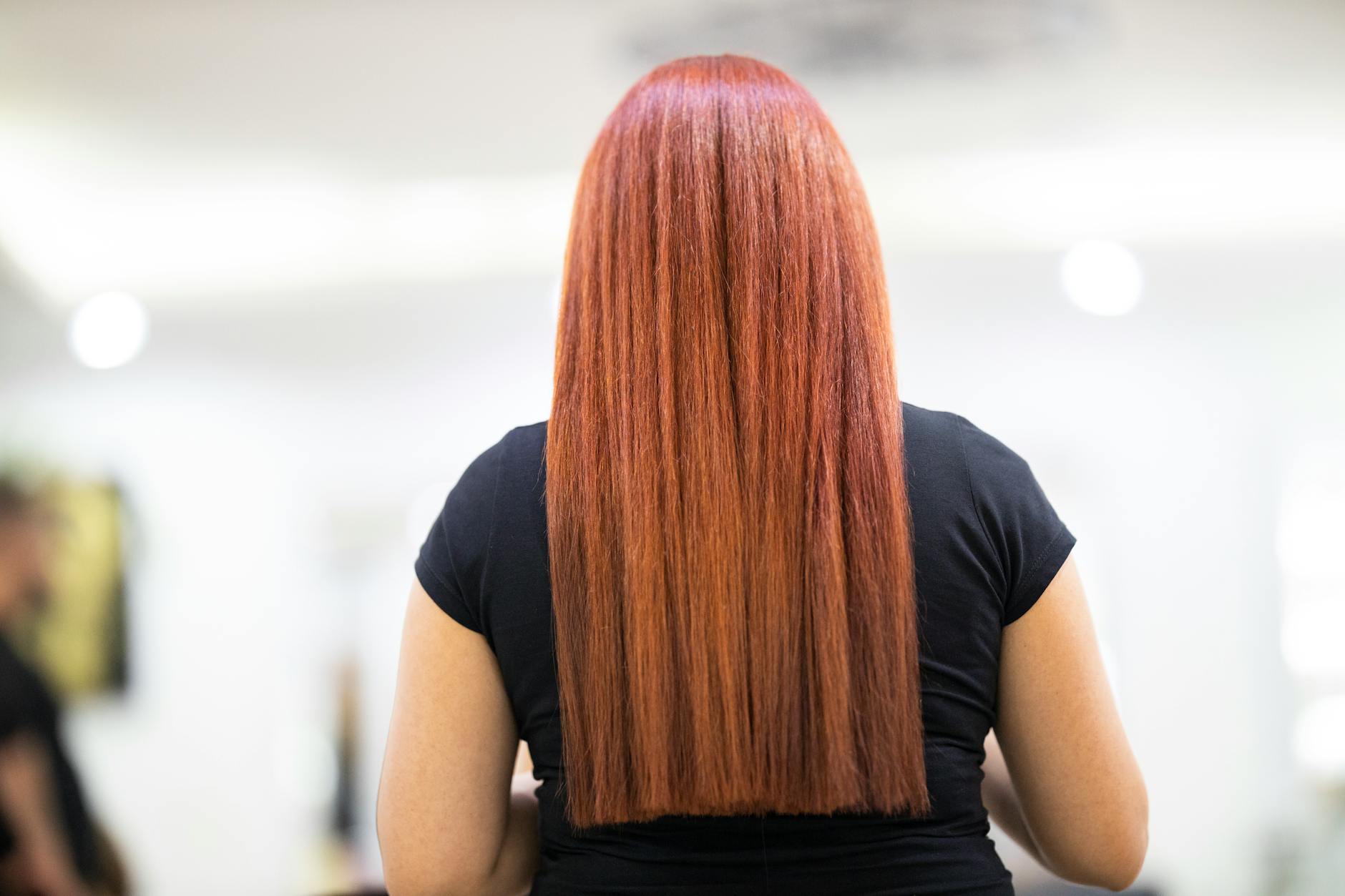
Keratin treatments have become one of the most requested services at salons across Southern California, and it is easy to see why. A single appointment can turn weeks of frizz-fighting into a mostly effortless morning routine. But the term gets used loosely, and not every treatment works the same way or suits every hair type. Understanding what you are actually booking helps you set realistic expectations and get the most out of the results.
What keratin treatments actually do
Keratin is a structural protein that makes up the outer layer of each hair strand. Heat styling, chemical coloring, and everyday environmental exposure gradually break down that protein layer, leaving hair porous, puffy, and prone to frizz. A keratin treatment works by coating the hair shaft with a keratin-rich solution, then sealing it in with a flat iron at high heat. The result is a smoother cuticle surface that reflects light, resists humidity, and requires far less styling time.
It is worth being clear about one thing: a keratin treatment is a conditioning and smoothing service, not a permanent chemical straightener. It does not alter the internal bond structure of the hair the way a relaxer does. Natural curl patterns are softened and made more manageable, but they are not eliminated. Most people retain some wave or body; they just lose the frizz and the puffiness that made styling feel like a battle.
Types of keratin treatments available
Not all keratin services are the same, and the differences matter when choosing what to book.
- Brazilian blowout: One of the most widely recognized brand names in the category. It seals a liquid keratin layer onto the hair and tends to preserve more of the natural curl than other options. Hair can be washed immediately after the service.
- Formaldehyde-free keratin treatments: Many salons now offer versions that use alternative bonding agents instead of formaldehyde or its derivatives. These are often recommended for pregnant clients or those with sensitivity concerns, though they may not deliver results as long-lasting as traditional formulas.
- Express keratin: A lighter, faster version designed to cut down frizz without the stronger smoothing effect of a full treatment. Results typically last four to six weeks and suit people who want a seasonal refresh rather than a long-term commitment.
- Deep conditioning keratin masks: Not a true treatment in the professional sense, but a salon-grade conditioning service that infuses keratin into the hair temporarily. A good option for people who are curious about the effect before committing to the full process.
Who benefits most from keratin treatments
Keratin treatments deliver the most noticeable results for people with medium to coarse hair that is naturally wavy, curly, or frizzy. Those with fine hair can also benefit, though stylists usually recommend lighter formulas to avoid weighing the hair down or making it look flat. People who live in humid climates, or who spend a lot of time outdoors, often find the anti-humidity effect alone is worth the appointment.
Those with recently color-treated hair should let their stylist know ahead of time. Keratin and color can coexist, but the sequencing matters. Many stylists recommend completing color services first, then booking the keratin treatment a few days later. If you have been exploring hair colour myths and facts, you may already know that overlapping chemical services without enough recovery time can lead to unexpected results.
Keratin treatments are generally not recommended immediately after a relaxer or a heavy bleaching session, when the hair structure is already compromised. A consultation with your stylist is always the right first step, especially if your hair has had a complex history.
What to expect during and after the appointment
A full keratin treatment usually takes two to four hours depending on hair length and thickness. The stylist will wash the hair, apply the keratin solution section by section, allow it to process, then flat-iron the hair in small passes at a high temperature to seal the formula in. The salon will smell of the product during processing, which is one reason good ventilation matters when choosing where you book.
After the appointment, most traditional treatments require a waiting period of 24 to 72 hours before the hair can be washed or tied back. During that window, moisture and pressure can leave creases or interrupt the bonding process. Some newer formulas shorten or eliminate this waiting period, so ask your stylist specifically what their post-service instructions are before you leave the chair.
Results typically last eight to twelve weeks with proper care. Using a sulfate-free shampoo extends the life of the treatment significantly, as sulfates strip the protective coating more quickly. Deep conditioning regularly also helps maintain the smoothness between appointments. The same attentive aftercare that benefits a hair extension experience applies here: the more consistently you protect the service, the longer it performs.
Cost, frequency, and realistic expectations
In Southern California, professional keratin treatments typically range from around $150 to $400 or more depending on the salon, the product used, and the length and density of the hair. Express or lighter versions tend to sit at the lower end of that range. It is a meaningful investment, but for people who spend significant time and money on styling tools and frizz-control products, the math often works out in favor of the treatment.
Most clients who do keratin regularly schedule a fresh treatment every three to four months. Some go longer, especially if they use an express version in between full services to extend the smoothing effect. With each subsequent treatment, many people notice that the baseline condition of their hair improves overall, since the repeated protein infusion and reduced heat-styling demands give the hair time to recover its strength.
The best way to decide whether a keratin treatment is right for you is still a straightforward consultation at a salon you trust. A good stylist will assess your hair's current condition, ask about your styling habits and lifestyle, and recommend the specific formula that suits your goals. Walking in informed makes that conversation faster and the outcome more likely to match what you had in mind.